Equipment Requirement Review
Review air-stream duty, duct route, flanges, supports, access, and material specification before tooling.
- Confirm equipment and site dimensions
- Review openings and access needs
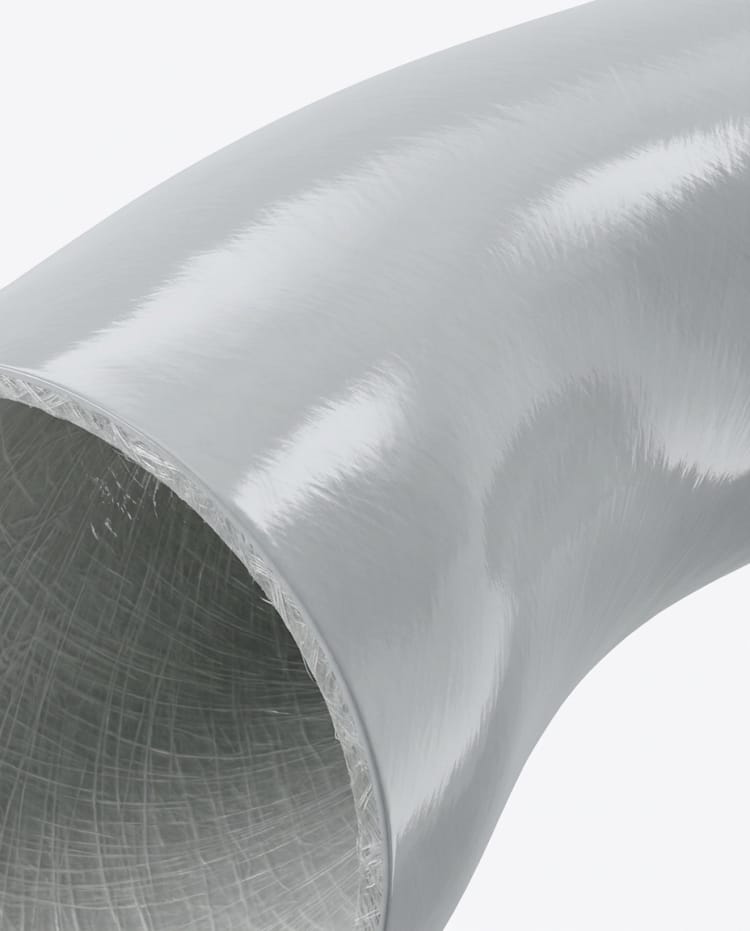
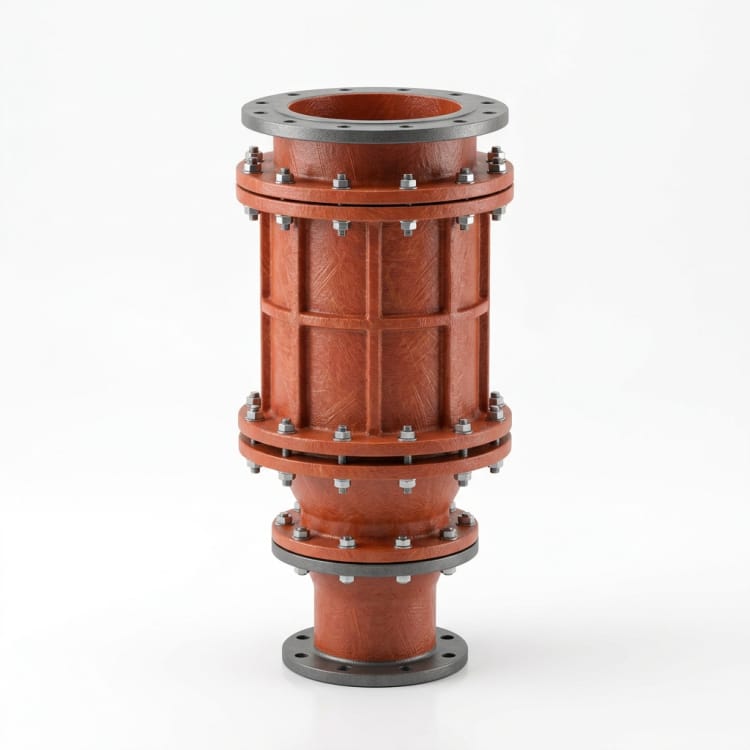
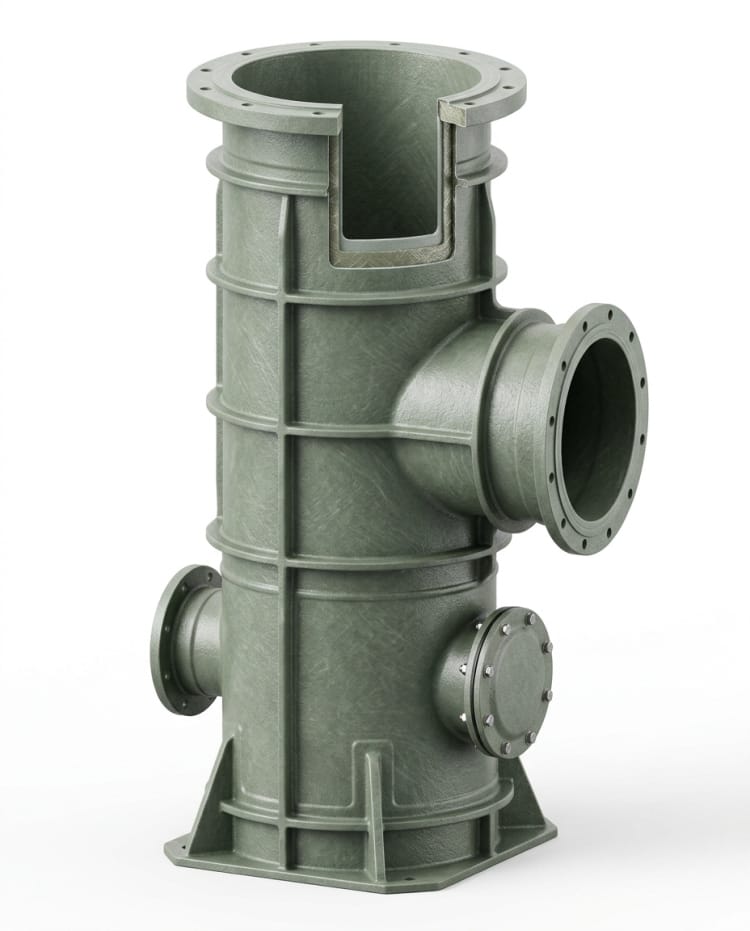
Custom FRP exhaust duct sections built to buyer-defined air-stream conditions and approved layout. Specify cross-section, flanges, supports, access, and resin requirements before fabrication planning.

Project Type
Corrosion-Resistant Exhaust Duct
Core Material
FRP
Lead Time
Confirmed After Design Review
Surface Finish
Gelcoat Finish
How we make it
Review equipment envelope and operating conditions for the corrosion-resistant exhaust duct; define flanges and supports before fabrication and inspection access and resin brief before final inspection.

Review air-stream duty, duct route, flanges, supports, access, and material specification before tooling.

Fabricate the FRP body with reinforcement, openings, and interfaces matched to the approved drawings.

Check edges, surfaces, openings, and handling points before packing the part for shipment.
Scope at a glance
Applications
An exhaust duct is designed around the buyer's air-stream data, route, connection points, and supports. Corrosion resistance depends on the specified chemical and temperature exposure.
Custom options
Define duct cross-section, route, flanges, inspection access, supports, temperature, and chemical exposure.
Browse nearby applications using the same category and manufacturing approach.
Need to know
Send a drawing or sample showing duct section and airstream and chemical exposure, together with the mating equipment or site reference. GFIND can review feasibility against these inputs.
Show flanges and supports on the approved drawing. The buyer and GFIND should agree the related fit tolerances and inspection method before tooling.
State inspection access and resin brief, expected quantity and delivery constraints. List any inspection records or tests the buyer requires in the RFQ.