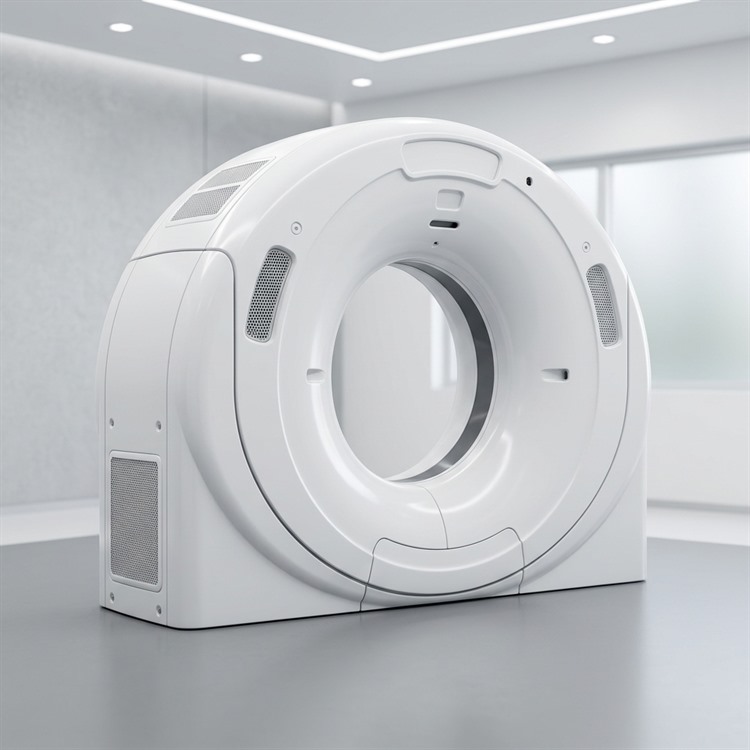
CT Housing
Use the OEM device drawing to define the CT housing: gantry dimensions and clearance to remove panels for maintenance. Agree cable openings, mounting points and surface finish before tooling.
Direct Manufacturer
Explore molded FRP housings for medical equipment OEMs. Confirm device dimensions, patient or operator clearances, service access, openings, cleaning brief, and finish.
Use the OEM device drawing to define the CT housing: gantry dimensions and clearance to remove panels for maintenance. Agree cable openings, mounting points and surface finish before tooling.
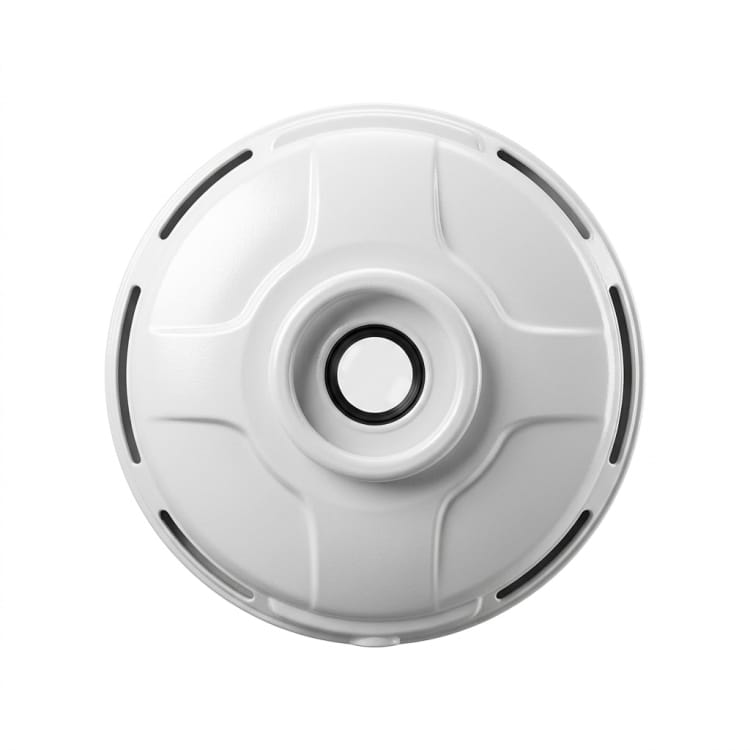
Use the OEM device drawing to define the FRP surgical light head cover: lamp and handle openings, arm articulation. Agree cleanable geometry and assembly tolerance before tooling.
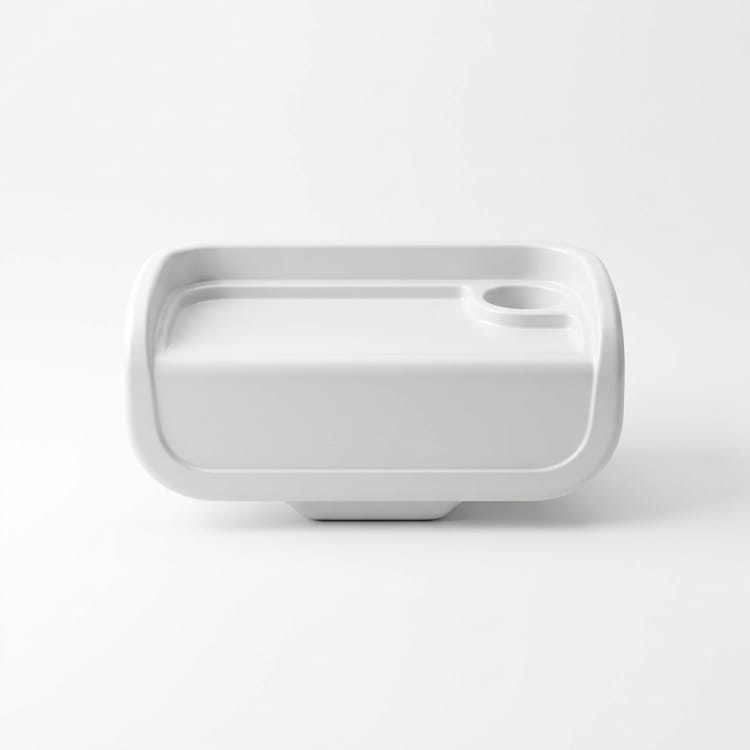
Use the OEM device drawing to define the FRP patient bed side cover: bed articulation and rail interface. Agree cleaning access, rounded edges and removable fixing before tooling.
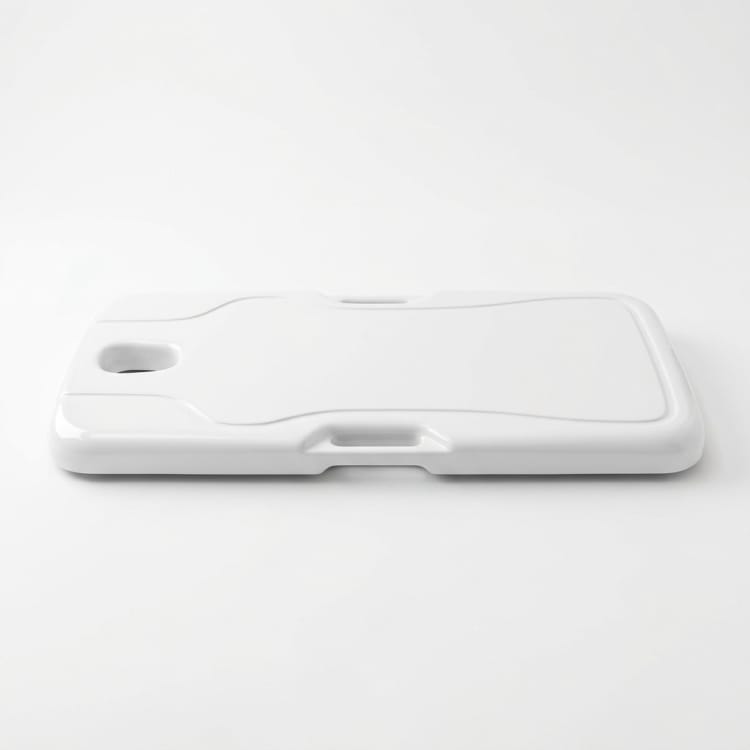
Use the OEM device drawing to define the FRP therapy bed cover: patient contact edges and moving-base clearance. Agree controls, cleaning and removable access before tooling.
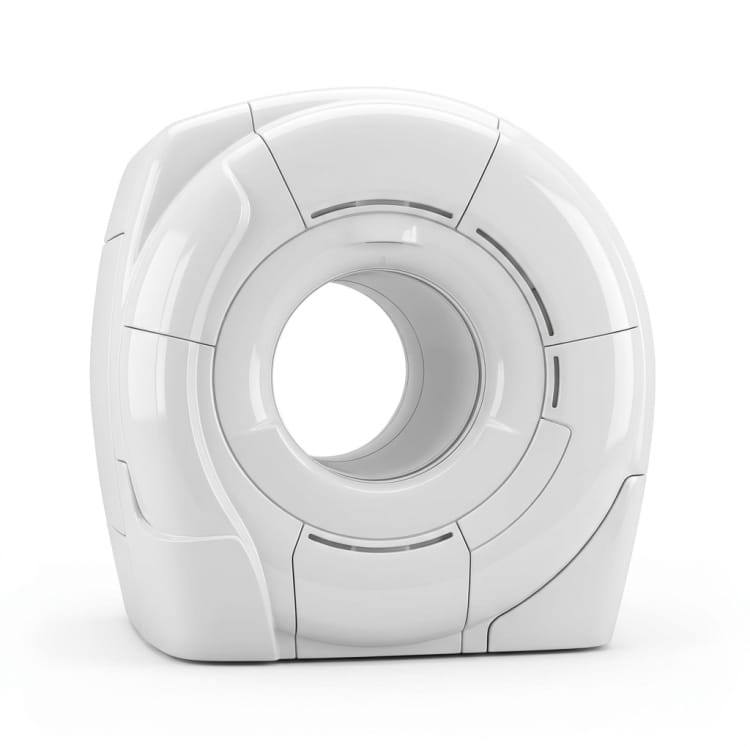
Use the OEM device drawing to define the FRP MRI equipment cover: equipment dimensions and clearances, panel removal for maintenance. Agree clearance around the patient opening, non-metal requirements and surface finish before tooling.
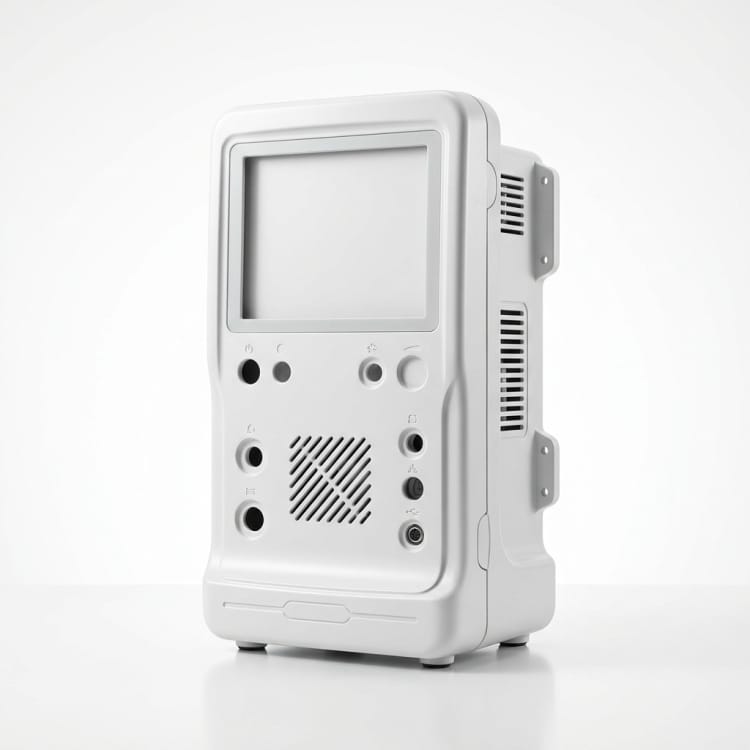
An endoscopy console shell should keep the screen, connectors and rolling base easy to use. The OEM layout sets ventilation, cable exits and wipe-clean surfaces.
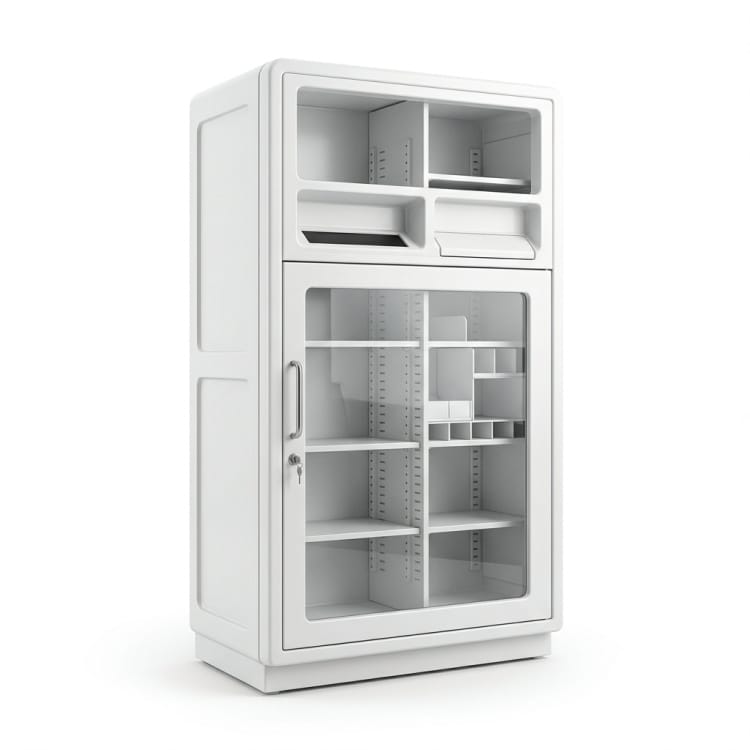
Use the OEM device drawing to define the FRP pharmacy dispensing cabinet shell: drawer openings and operator access. Agree cable routing and cleaning before tooling.
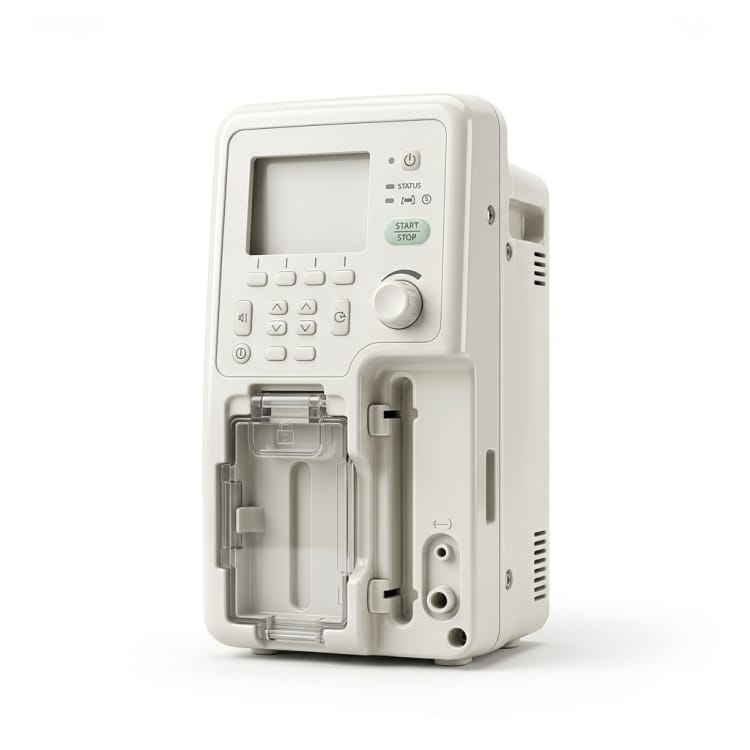
Use the OEM device drawing to define the FRP infusion pump housing: display and keypad openings, door or latch access. Agree cleaning, mount interface and assembly tolerance before tooling.
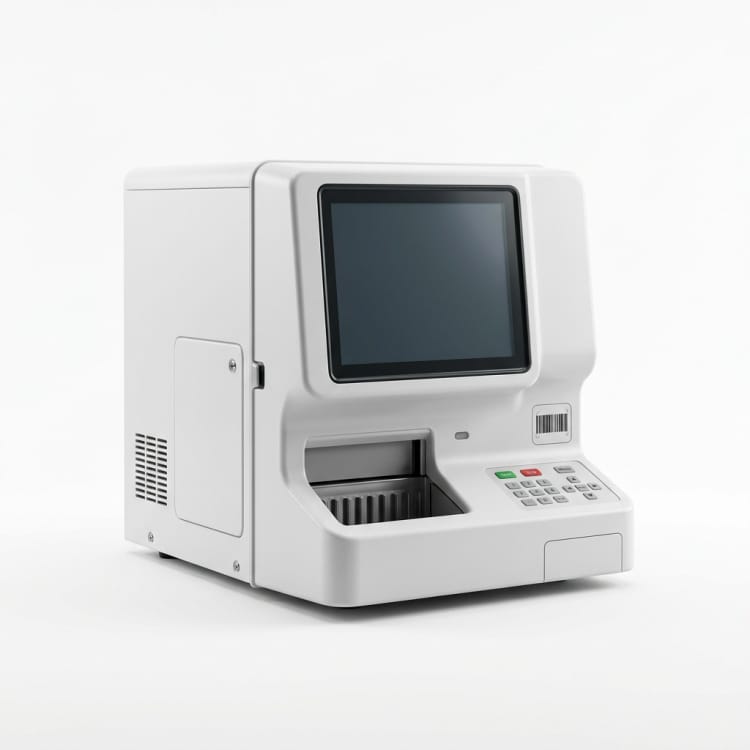
Use the OEM device drawing to define the FRP blood analyzer housing: sample-loading access, display and cable openings. Agree cleaning-agent exposure and service panels before tooling.
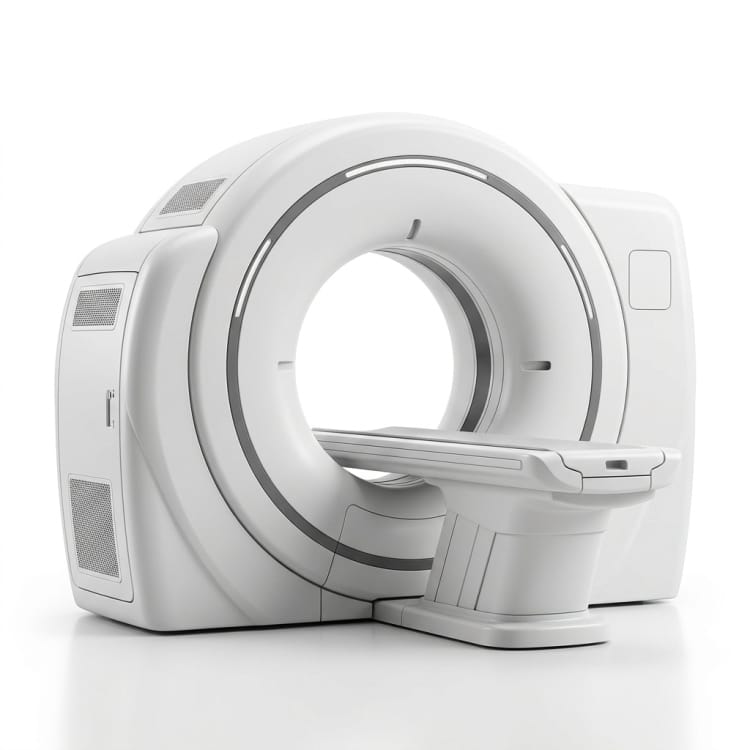
The CT scanner cover follows the OEM gantry, with a clear patient opening and panels that can be removed for service. Cable routes and finish are agreed from the device drawing.
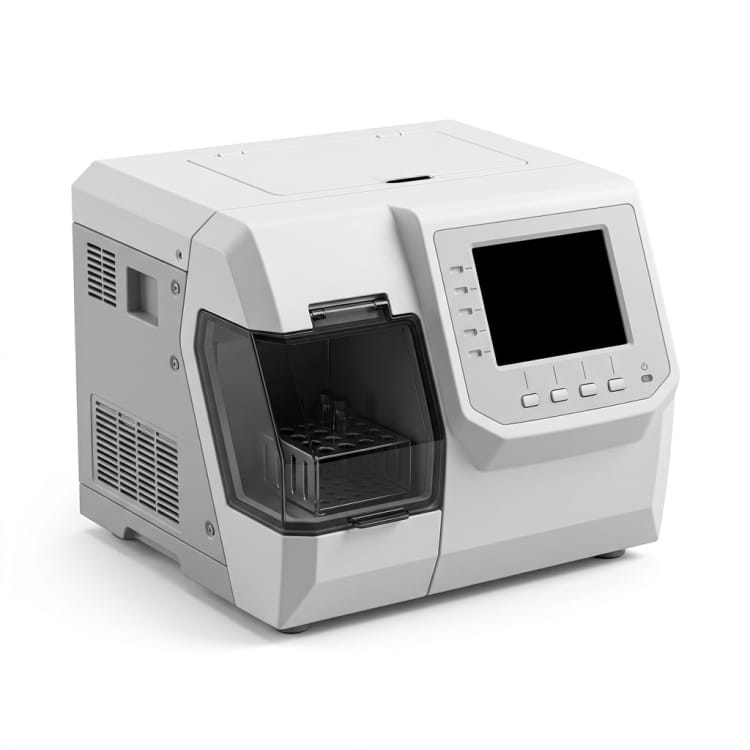
Use the OEM device drawing to define the FRP laboratory analyzer housing: sample path access and service panels. Agree ventilation, cable routing and chemical cleaning before tooling.
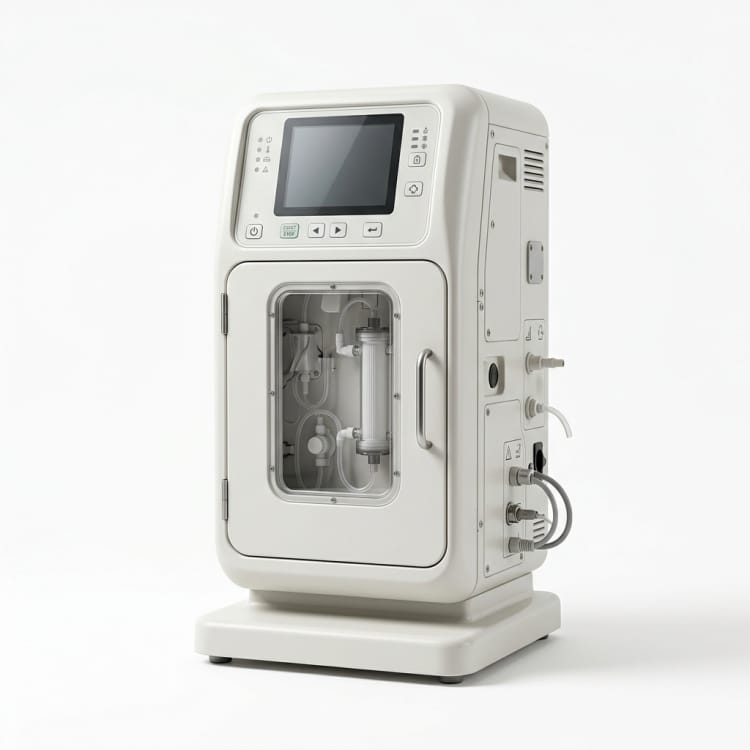
Use the OEM device drawing to define the FRP dialysis machine housing: display layout and fluid-line access. Agree ventilation, cleaning-agent exposure and removal for maintenance before tooling.
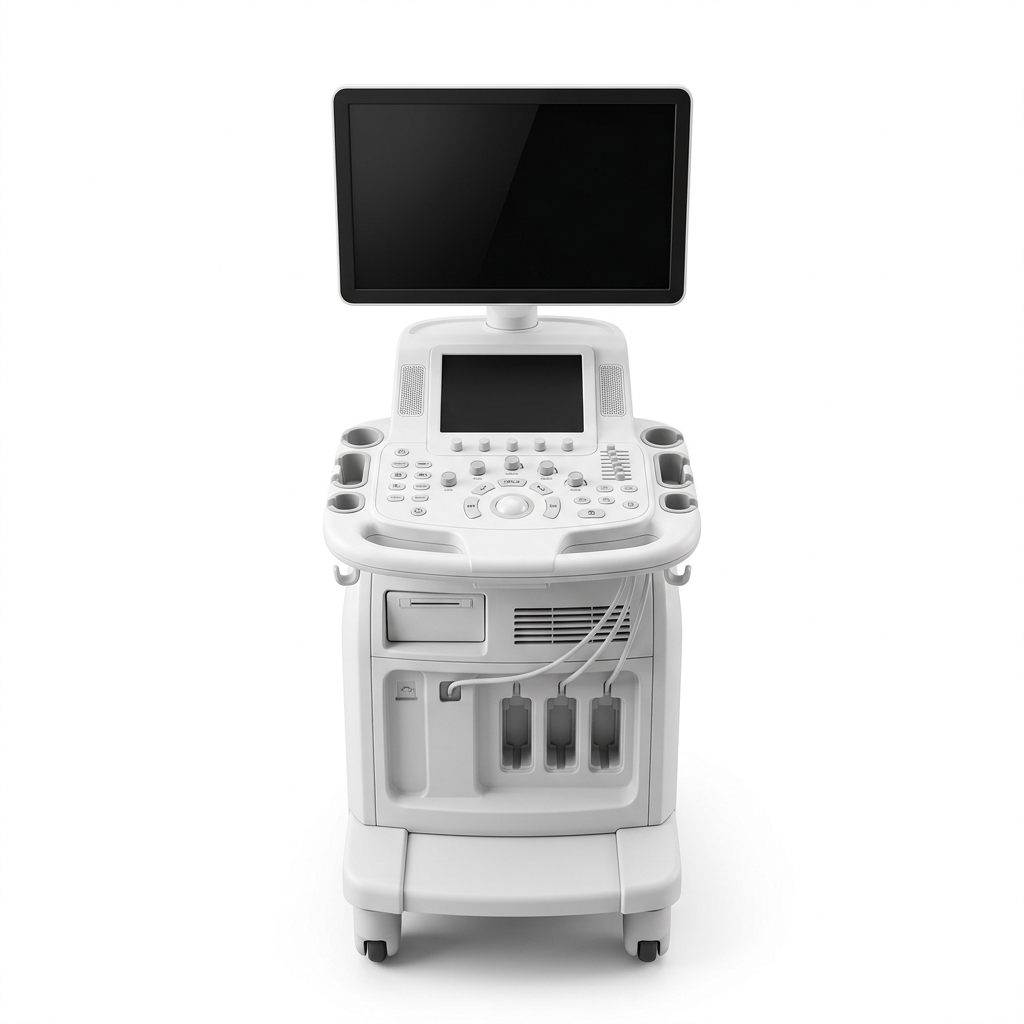
The ultrasound console shell has to accommodate the screen, probes and rolling base. Use the OEM layout to place cable routes, ventilation and surfaces that need cleaning.
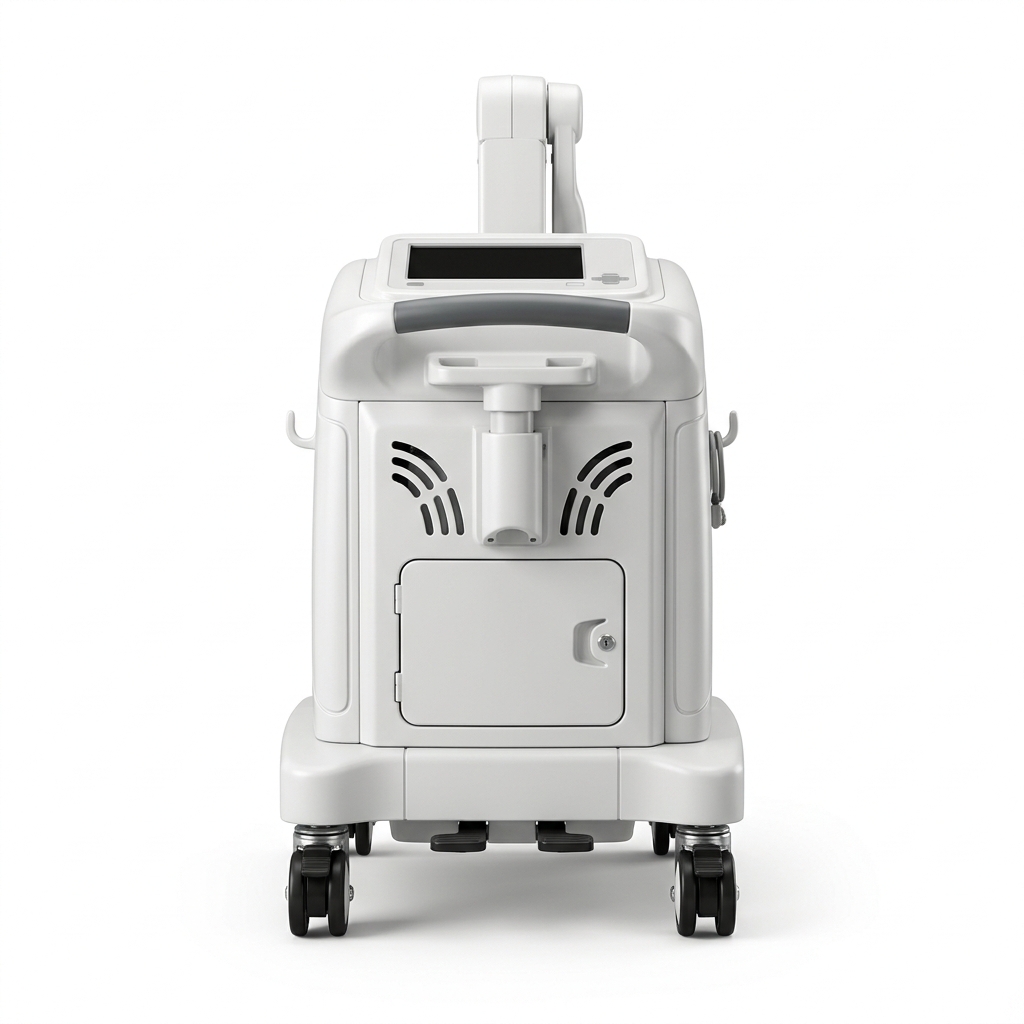
Use the OEM device drawing to define the FRP mobile X-ray unit housing: cart geometry, wheel and handle clearances. Agree cable routing, removable panels and cleaning before tooling.
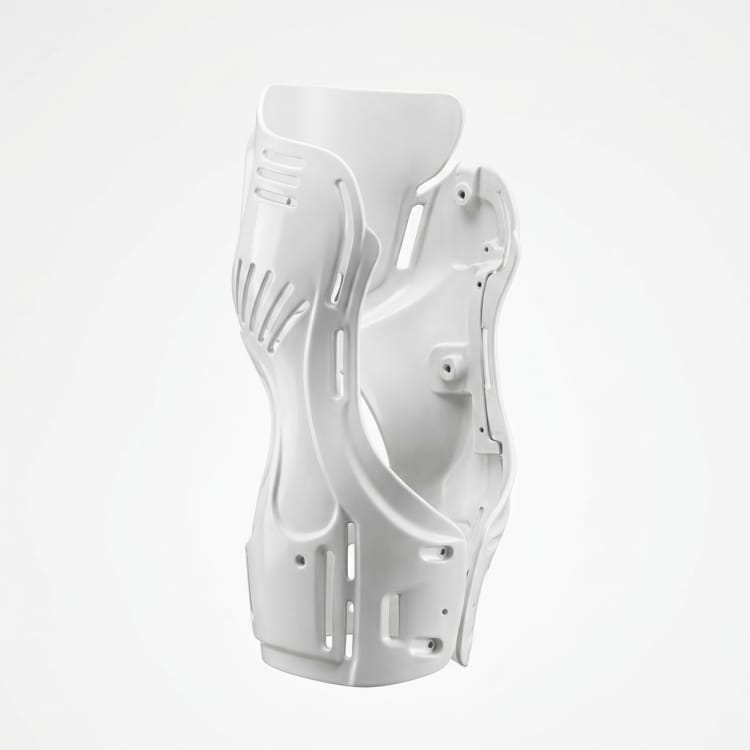
Use the OEM device drawing to define the FRP rehabilitation device shell: moving-part clearance and user contact zones. Agree controls, removal for maintenance and cleaning before tooling.
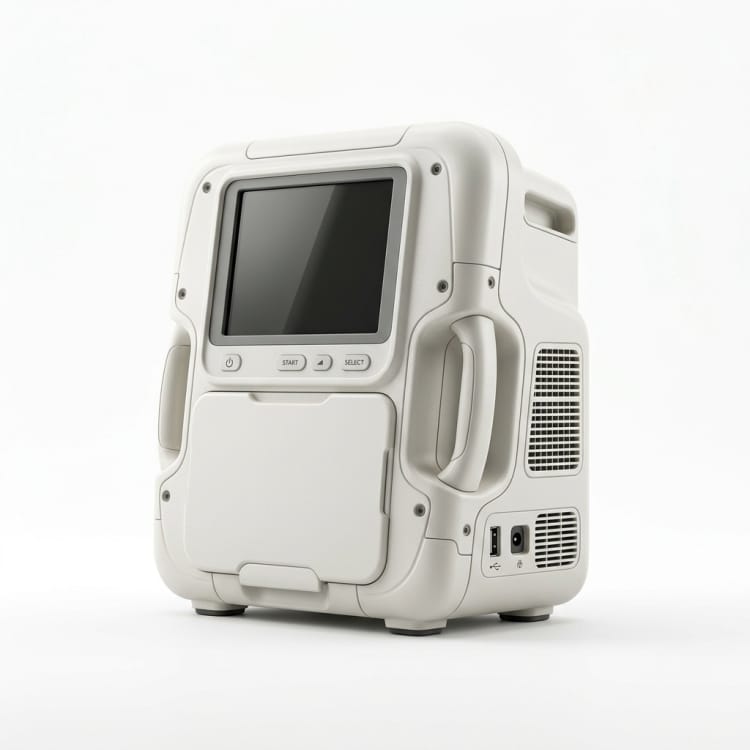
A medical device shell is shaped around the equipment and the people who use it. The OEM defines contact areas, cleaning approach, service access and regulatory requirements.
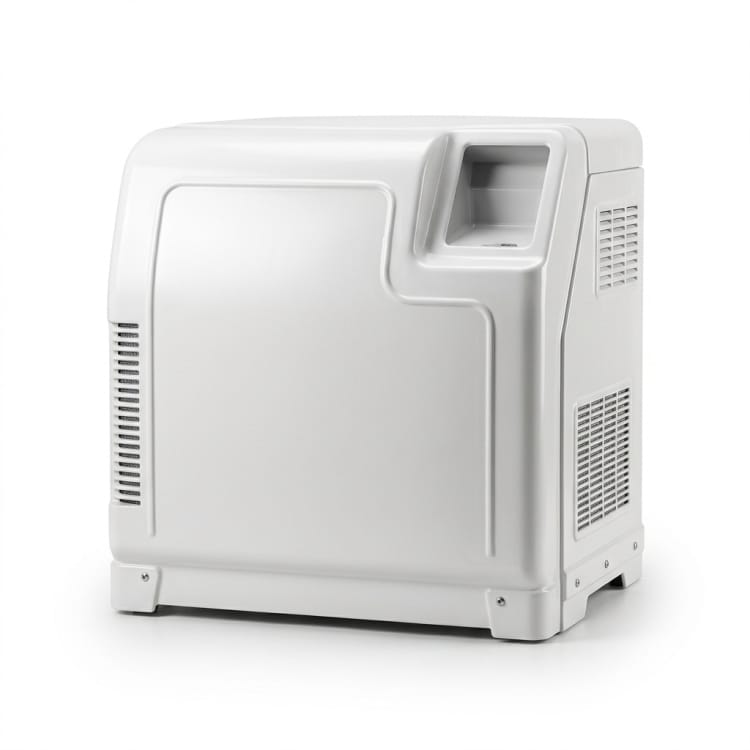
Use the OEM device drawing to define the FRP sterilizer outer cover: heat exposure at the cover and door clearance. Agree ventilation, service access and cleaning agent compatibility before tooling.
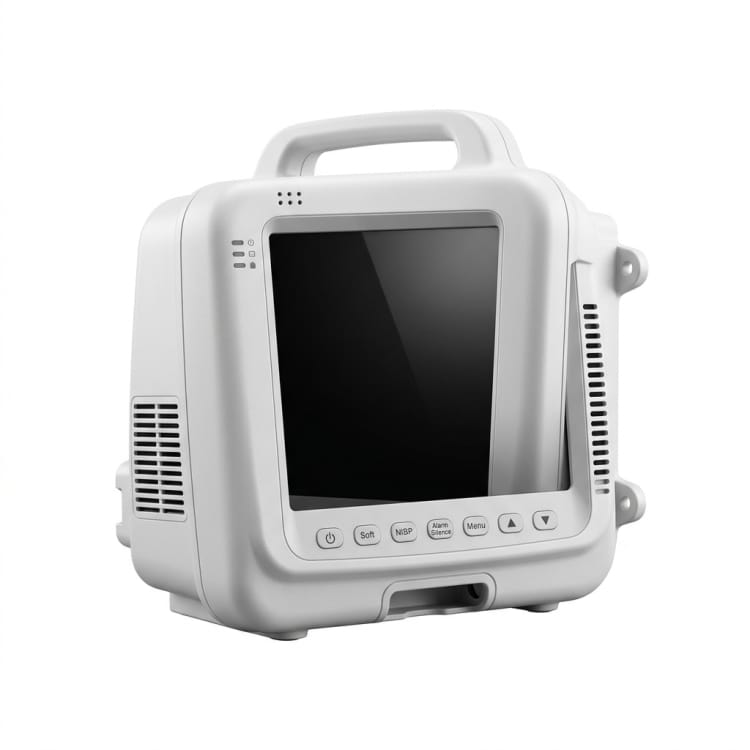
Use the OEM device drawing to define the FRP patient monitor housing: screen visibility and control access. Agree cable exits and mounting before tooling.
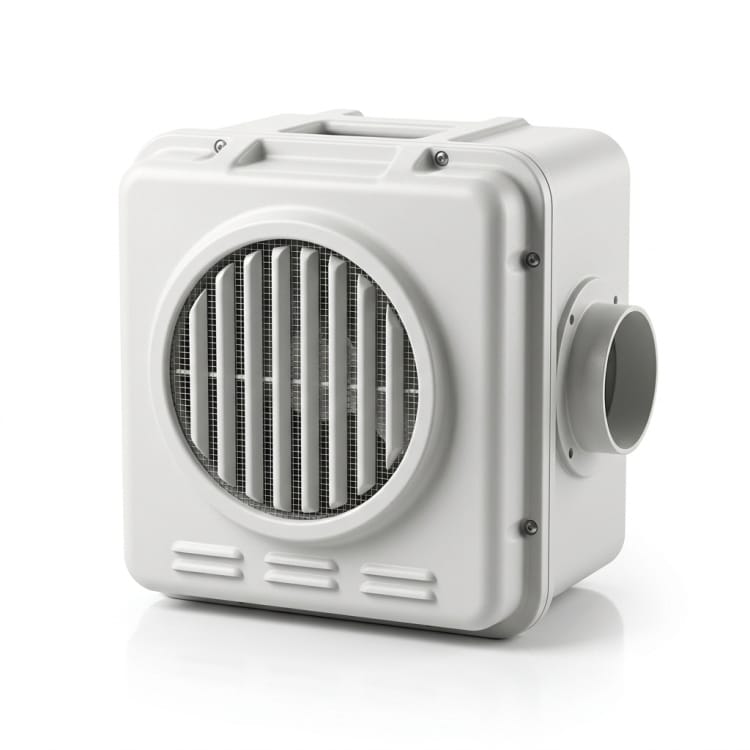
Use the OEM device drawing to define the FRP ventilator outer housing: display and control cutouts, tubing clearance. Agree ventilation, cleaning and service access before tooling.
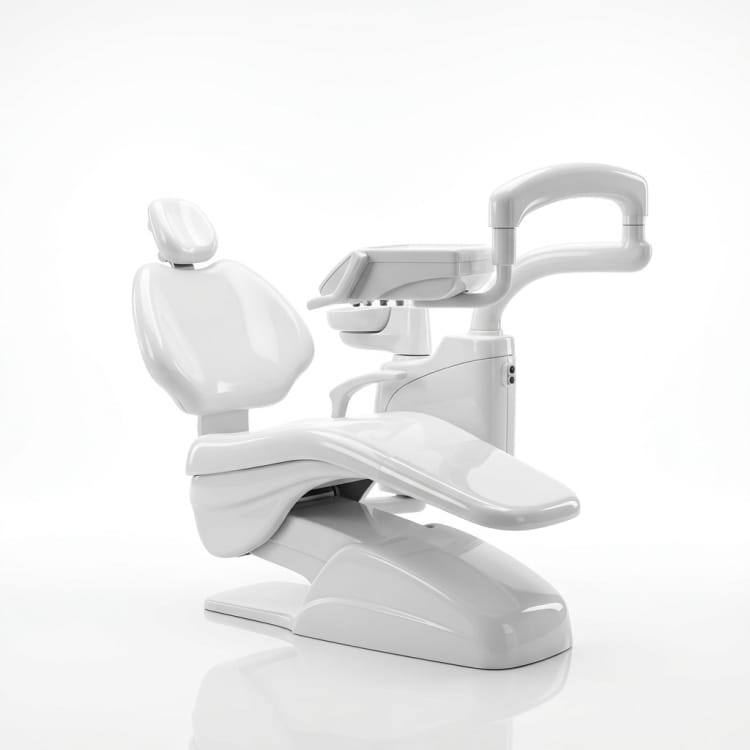
Use the OEM device drawing to define the FRP dental unit cover: chair articulation clearance and hose routing. Agree service access, cleaning and visible finish before tooling.