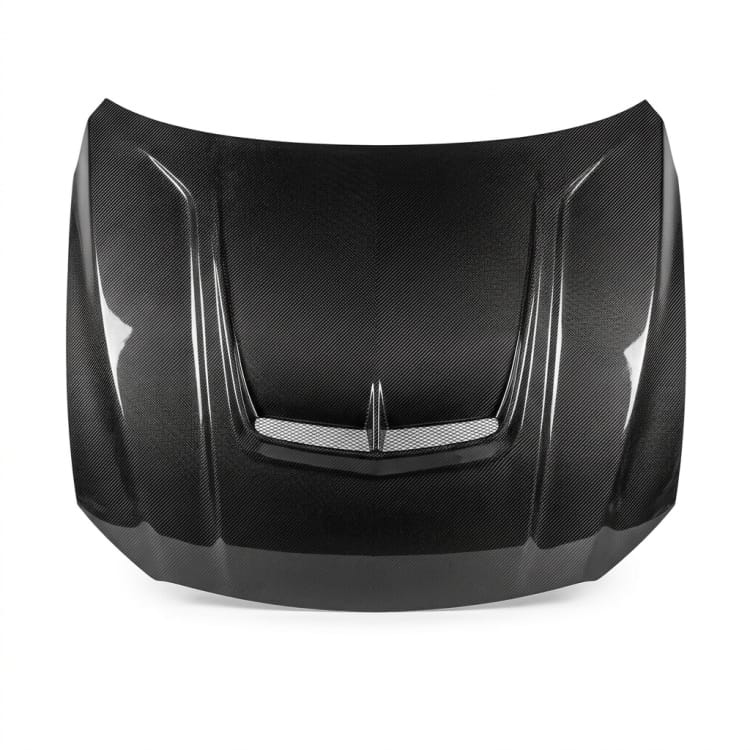
Carbon Fiber Hood Panel
A carbon fiber hood must align with the hinges, latch and surrounding body gaps. The vehicle reference sets underhood clearance, reinforcement areas and surface finish.
Direct Manufacturer
Explore made-to-drawing carbon fiber components. Review the mating part, load case, attachment, layup brief, visible finish, and inspection requirements.
A carbon fiber hood must align with the hinges, latch and surrounding body gaps. The vehicle reference sets underhood clearance, reinforcement areas and surface finish.
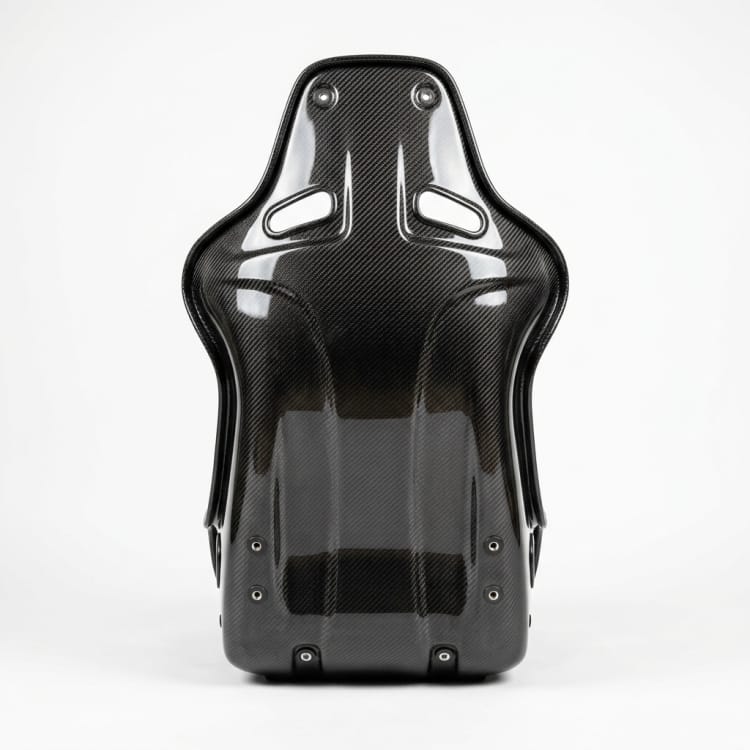
Custom carbon fiber seat back shell manufacturing for performance seating projects, with lightweight construction, a refined composite surface, and project-specific fabrication.
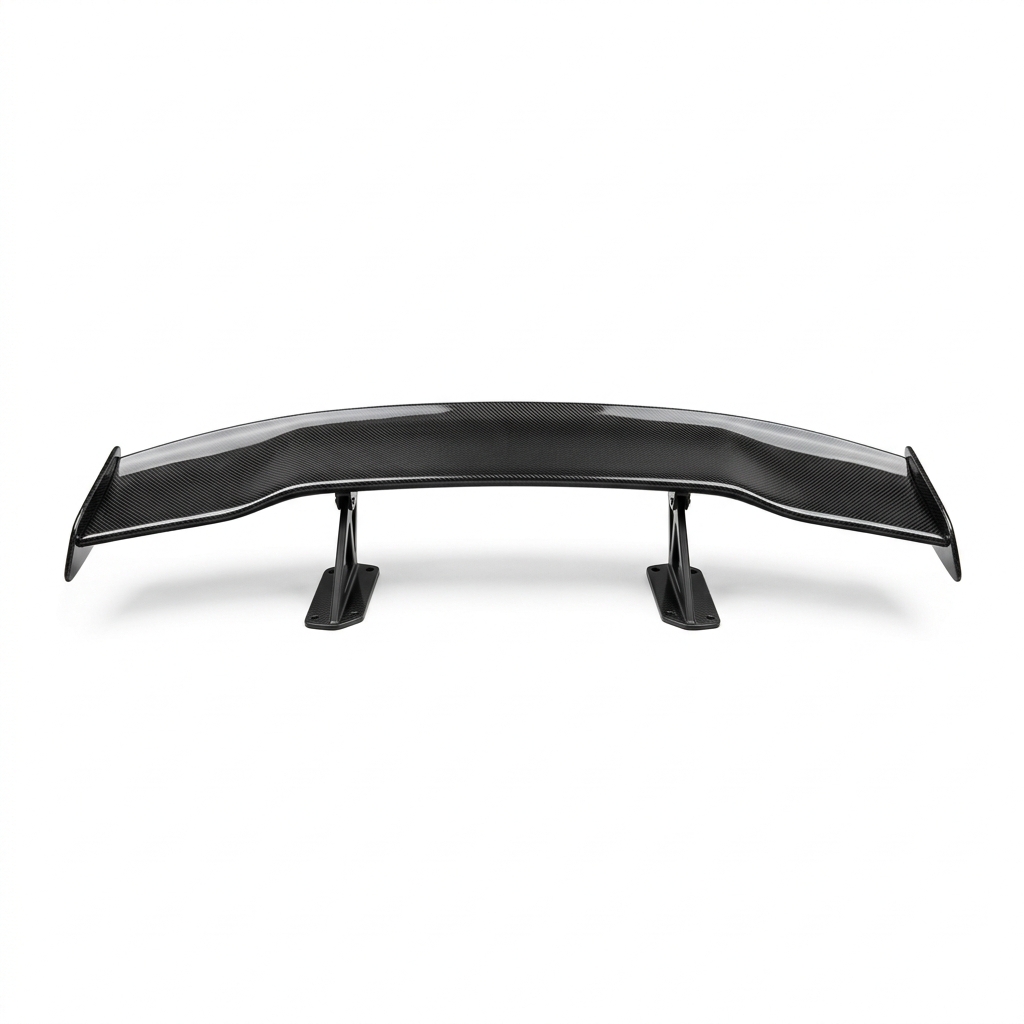
Match the carbon fiber spoiler wing to the mating part. Confirm span and profile, mounting structure; agree required loads, symmetry and visible weave before tooling.
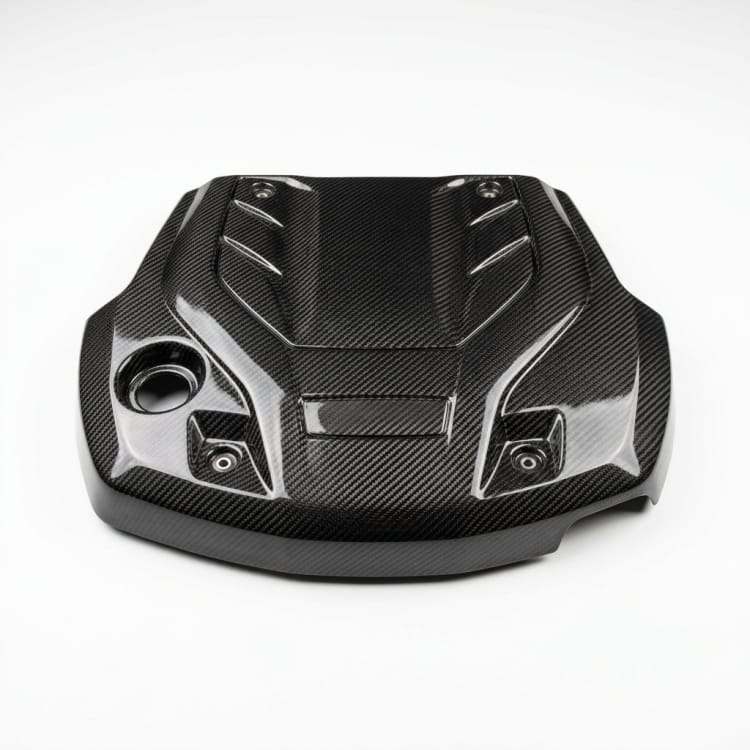
Match the carbon fiber engine cover to the mating part. Confirm engine bay clearance and heat exposure; agree mount points, removal for maintenance and finish criteria before tooling.
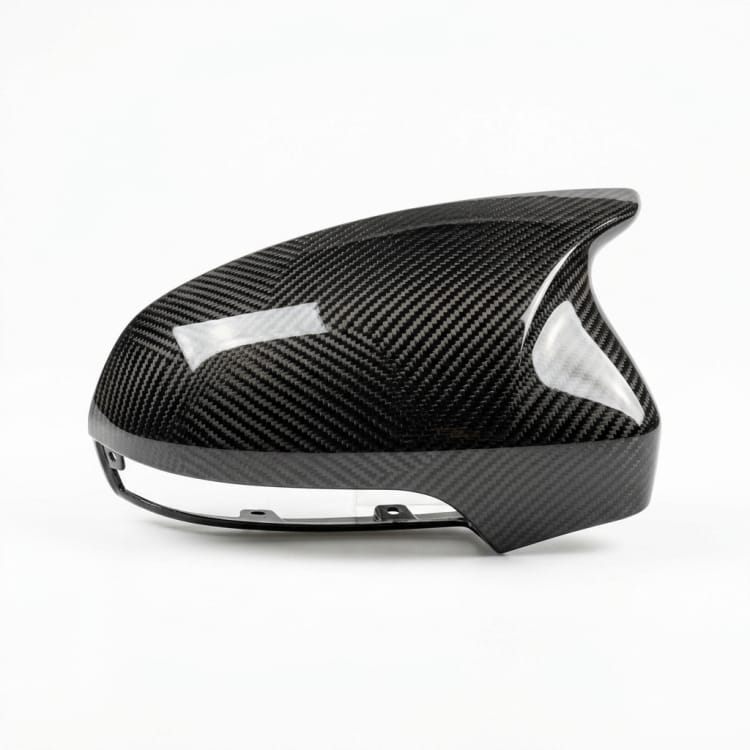
Match the carbon fiber mirror cover to the mating part. Confirm mirror housing reference and clip access; agree paired-side fit, edge line and gloss level before tooling.
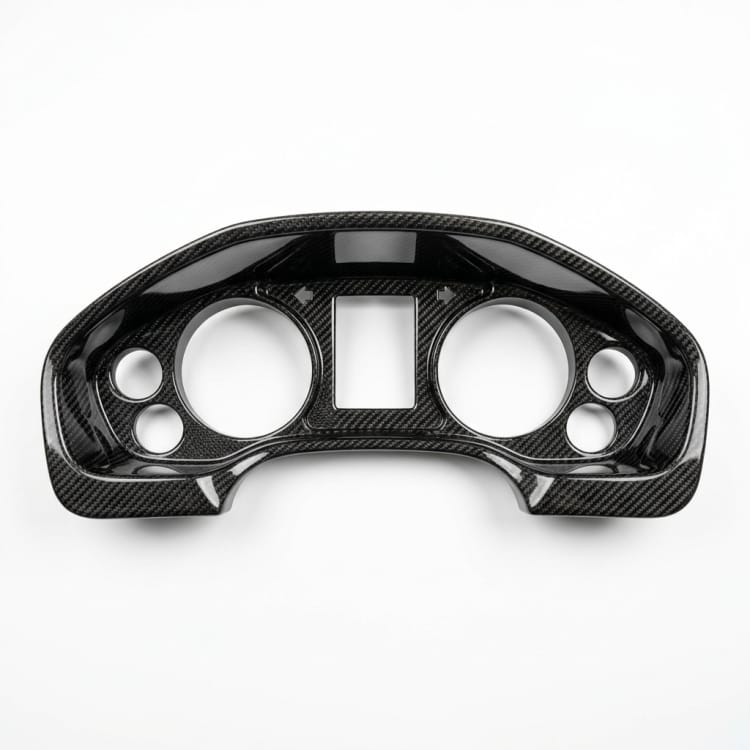
The cluster cover should fit the dashboard without affecting display visibility. Set clip positions, edge gaps, reflection control and weave direction from the mating part.
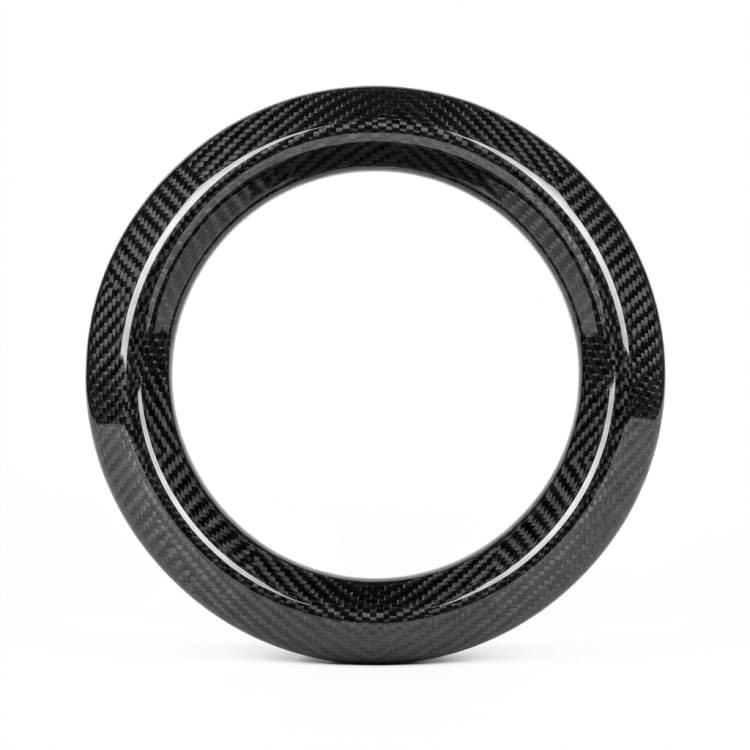
Match the carbon fiber exhaust tip surround to the mating part. Confirm outlet clearance and heat exposure; agree bumper interface, fixing and finish specification before tooling.
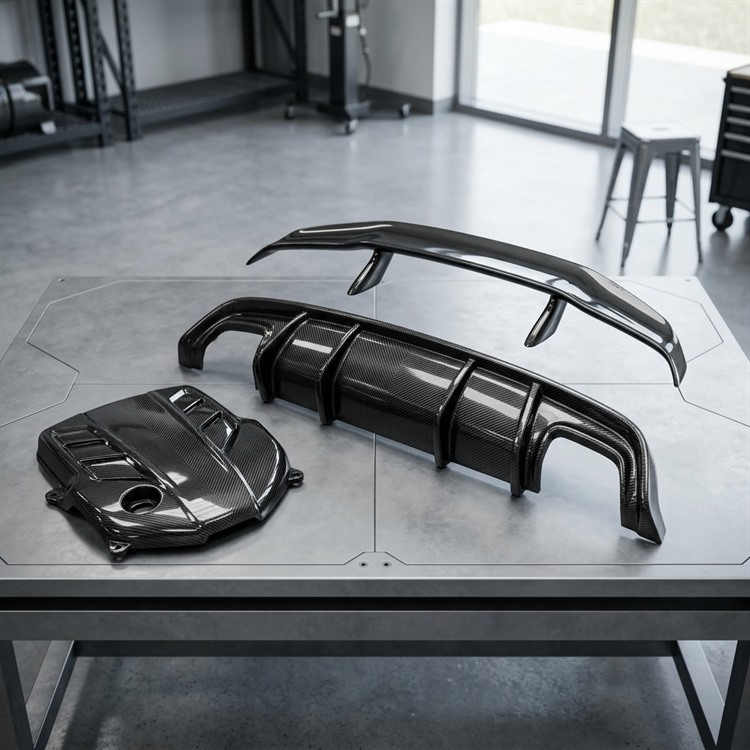
Start a carbon fiber part with its drawing and loading brief. Agree tooling, attachments and surface finish against the intended use before production.
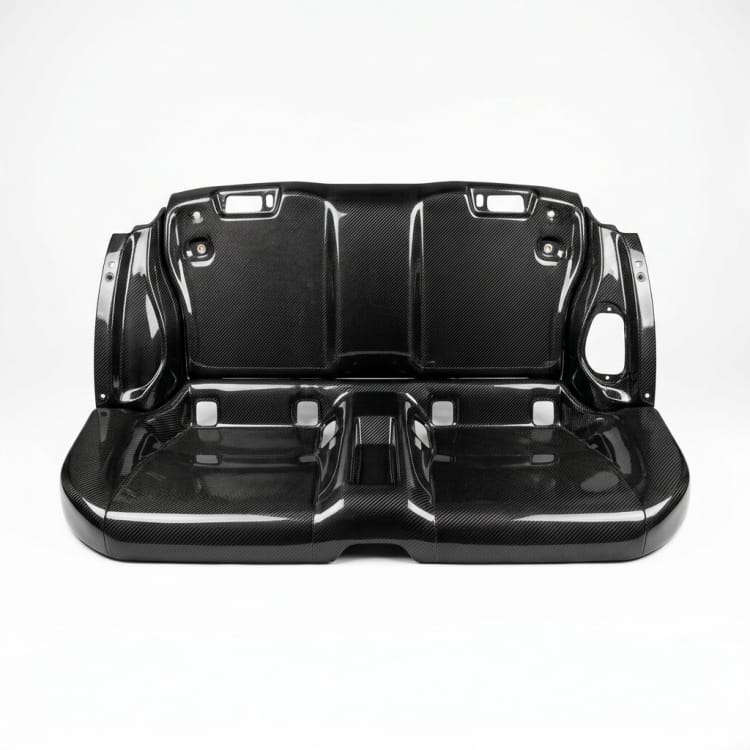
Match the carbon fiber rear seat panel to the mating part. Confirm vehicle reference and seat clearance; agree clip positions, edge trim and visible weave before tooling.
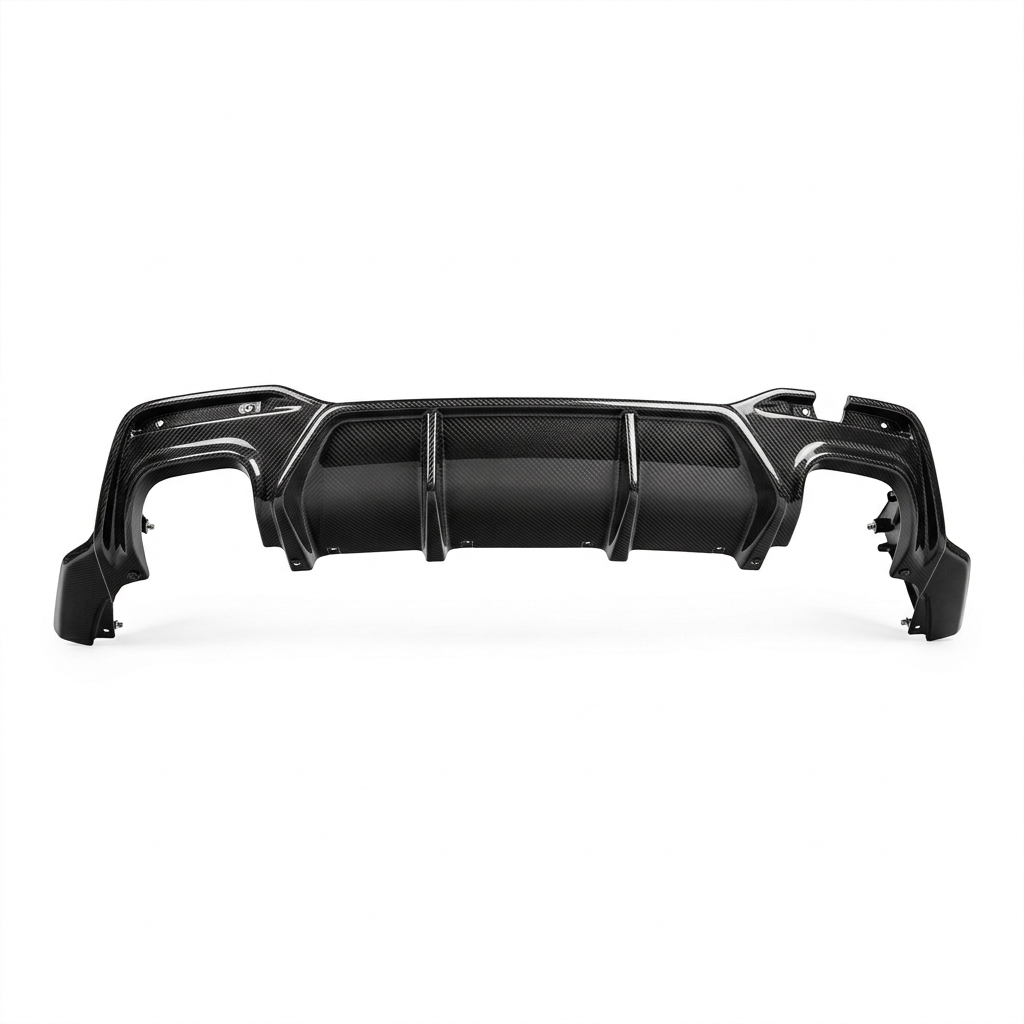
Match the carbon fiber rear diffuser to the mating part. Confirm bumper geometry and exhaust clearance; agree mount points, road clearance and visible weave before tooling.
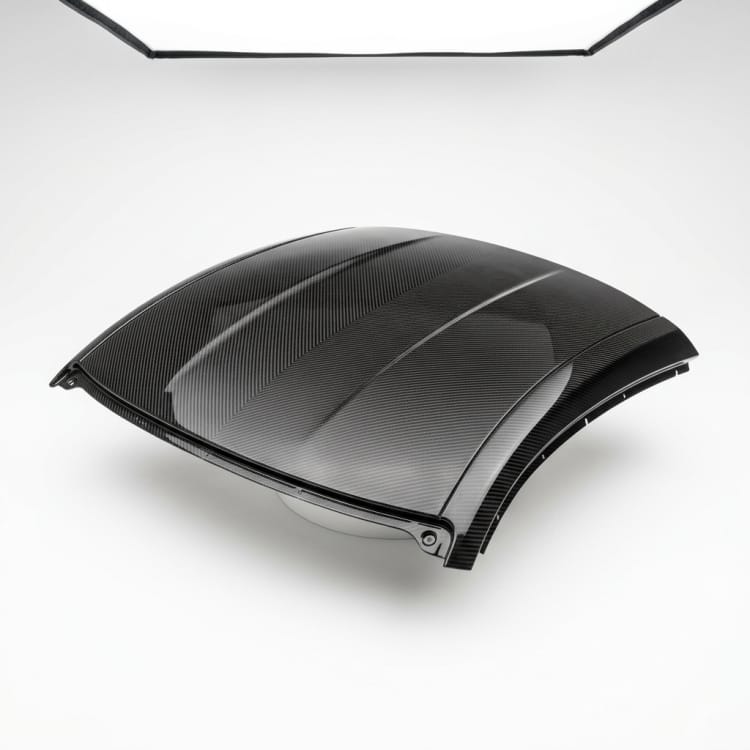
Match the carbon fiber roof panel to the mating part. Confirm roof opening and body joins; agree mounting and drainage before tooling.
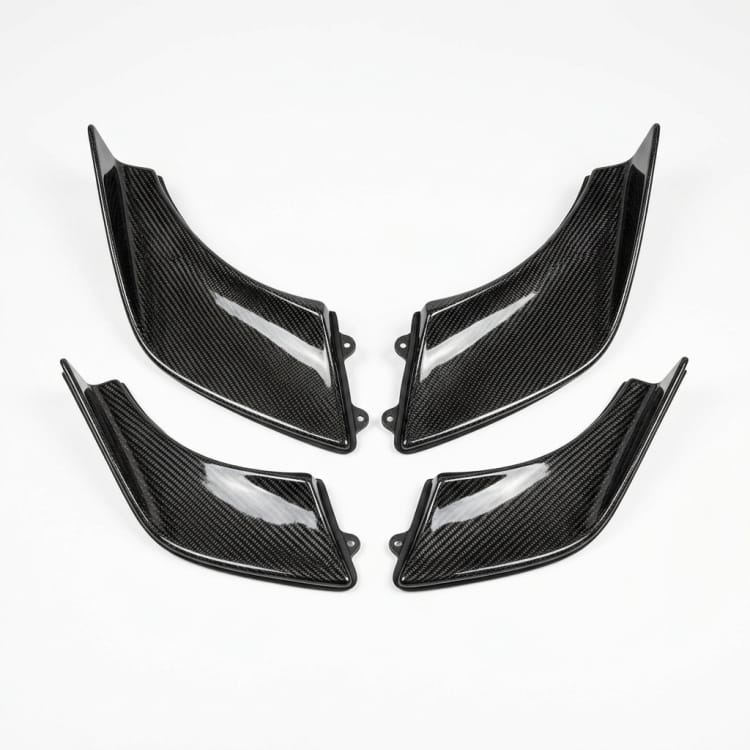
Left and right canards must match the bumper curvature and each other. Define attachment points, edge shape and visible weave from the vehicle reference part.
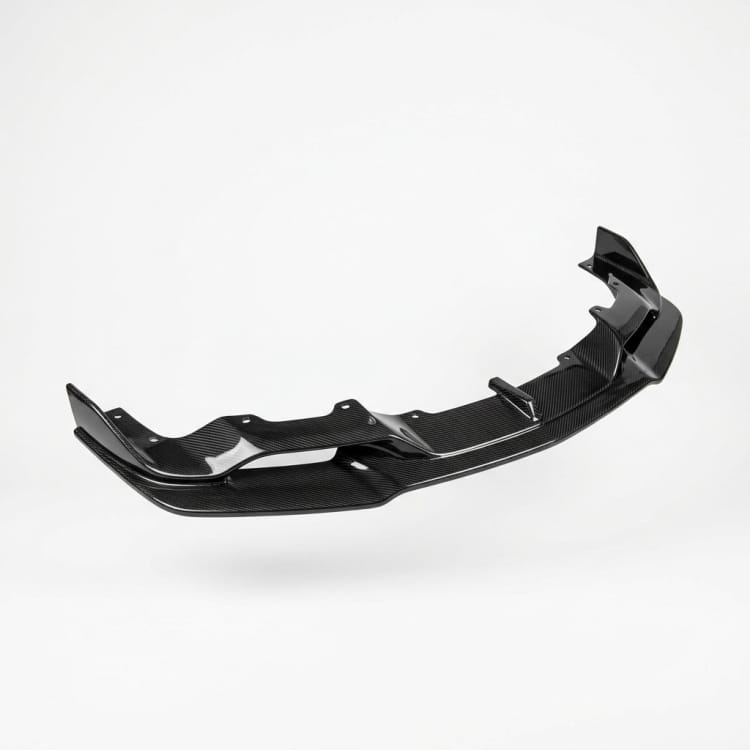
Match the carbon fiber front splitter to the mating part. Confirm bumper reference and ground clearance; agree required loads and mounting before tooling.
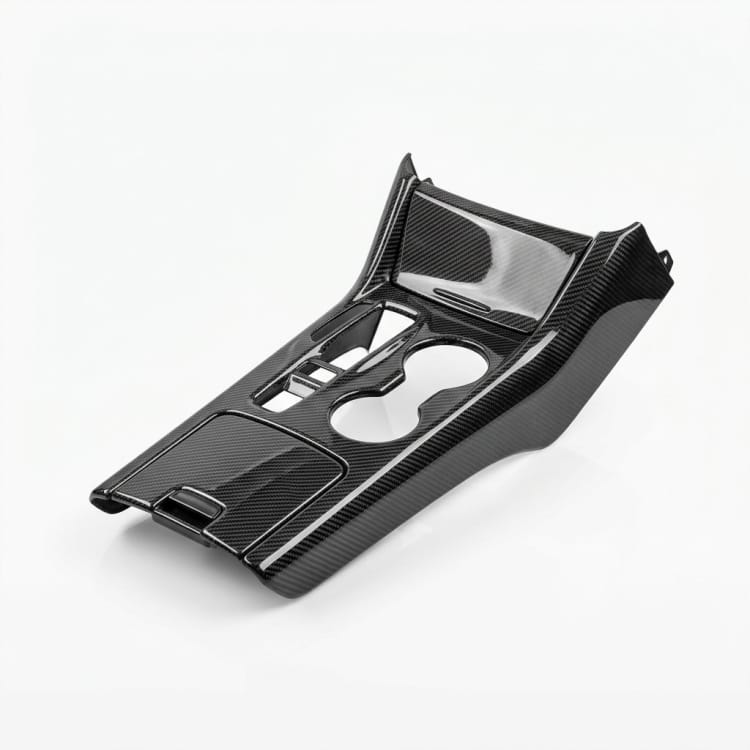
Match the carbon fiber console cover to the mating part. Confirm console geometry, switch and storage openings; agree clip positions, edges and weave alignment before tooling.
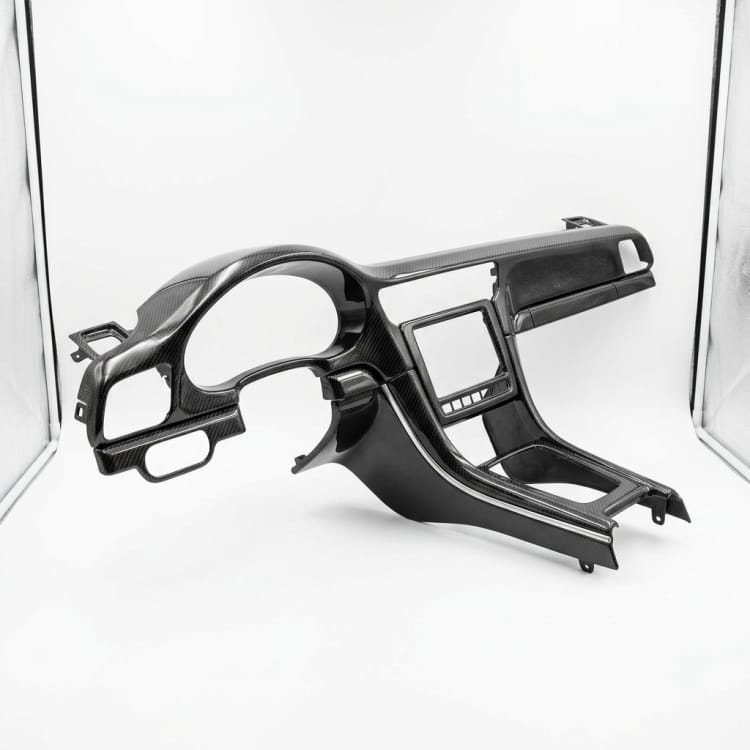
Match the carbon fiber automotive trim to the mating part. Confirm vehicle reference part and clip locations; agree gap targets, weave orientation and gloss sample before tooling.
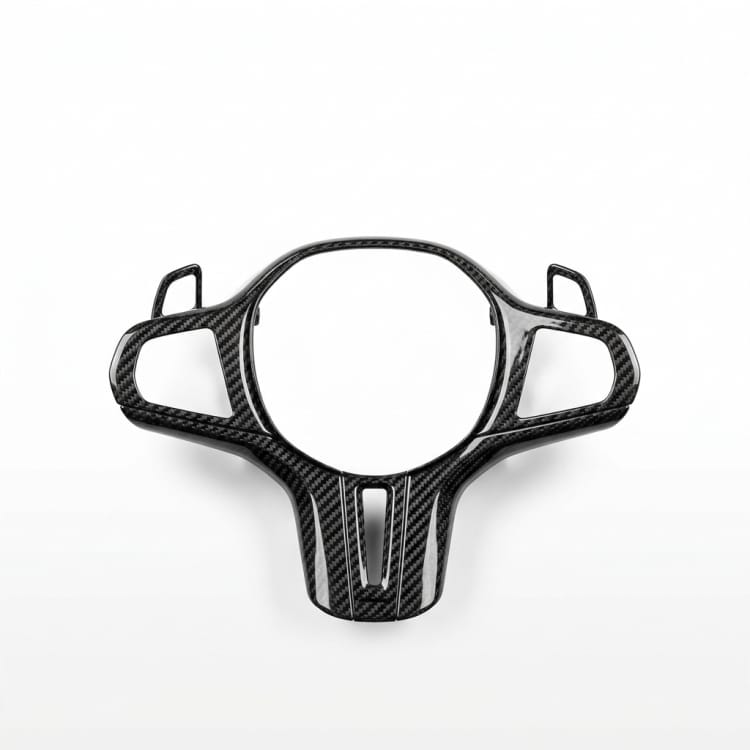
Match the carbon fiber steering wheel trim to the mating part. Confirm wheel reference, button and airbag clearances; agree attachment, edge feel and finish before tooling.
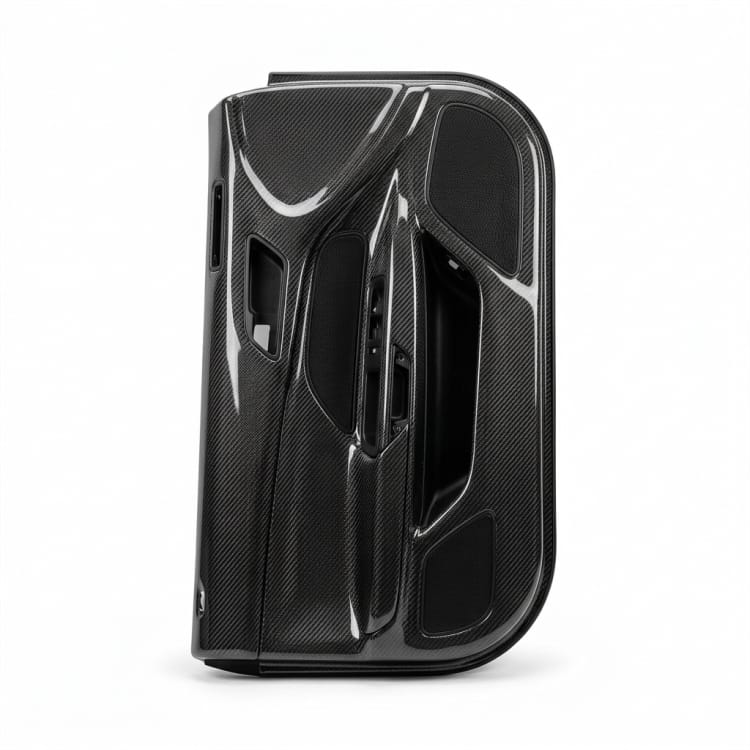
Match the carbon fiber door trim panel to the mating part. Confirm handle and switch openings, airbag or safety brief; agree clips, speaker access and weave alignment before tooling.
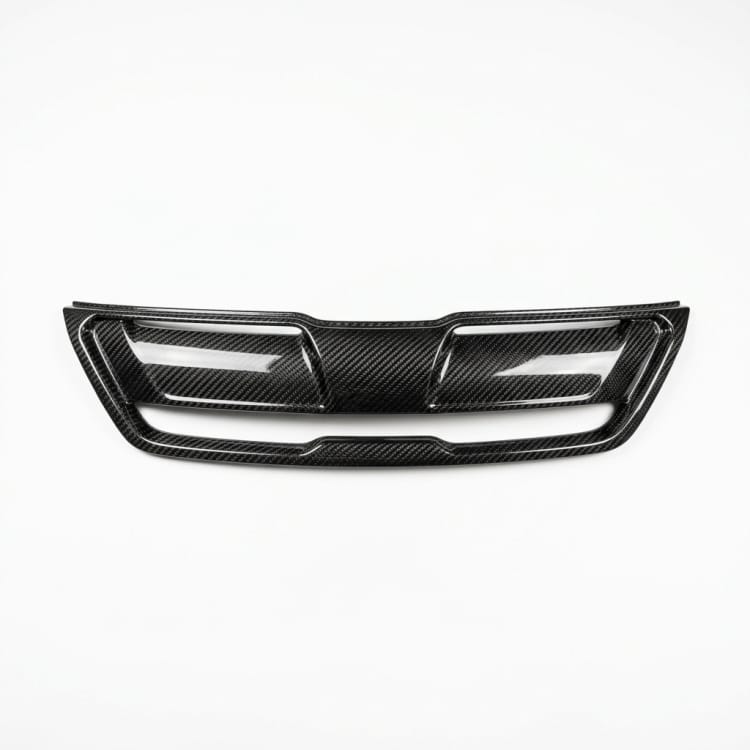
Match the carbon fiber grille trim to the mating part. Confirm grille opening and airflow clearance; agree fixing clips, body gaps and visible weave before tooling.
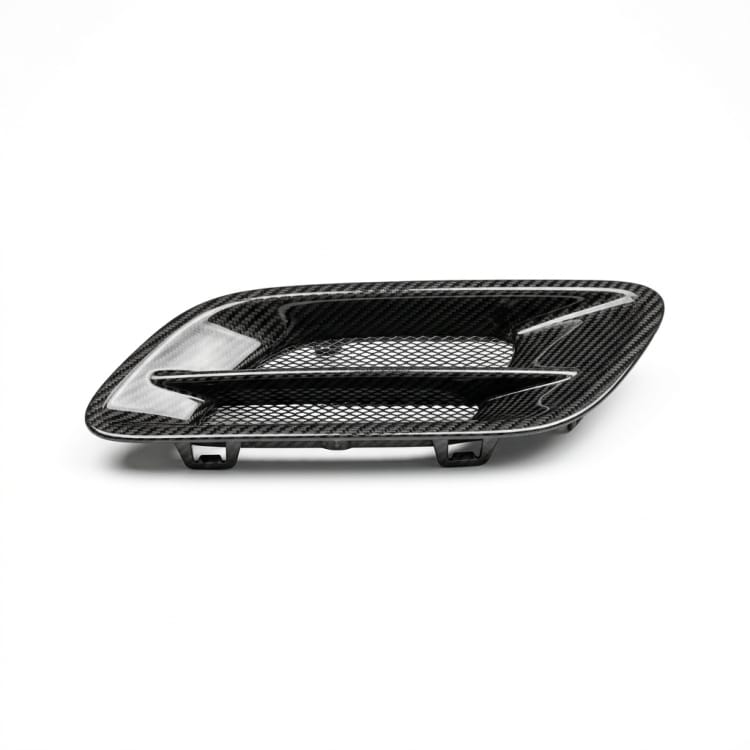
Match the carbon fiber side vent trim to the mating part. Confirm vent opening and airflow; agree panel curvature, clip layout and weave alignment before tooling.
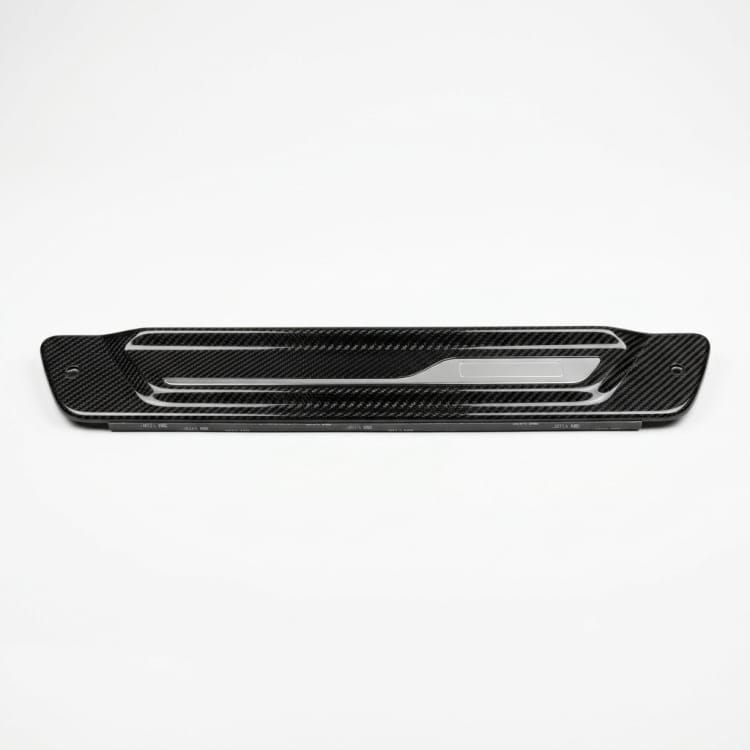
Match the carbon fiber door sill plate to the mating part. Confirm sill length and door seal clearance; agree attachment, scuff exposure and edge finish before tooling.