Expert FRP Manufacturer

Medical Equipment Housing

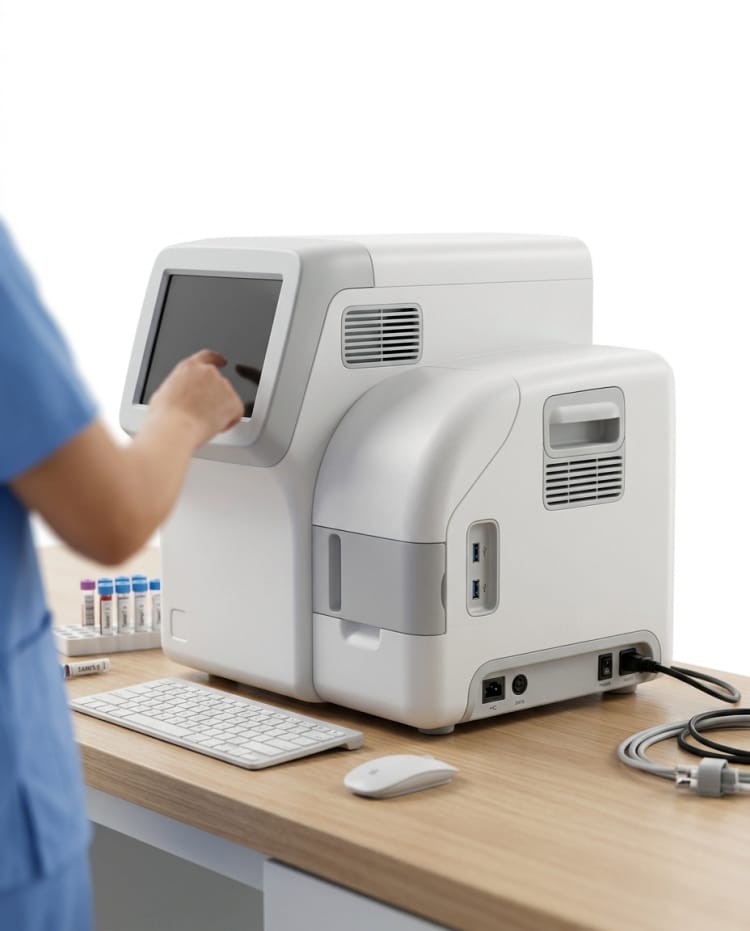
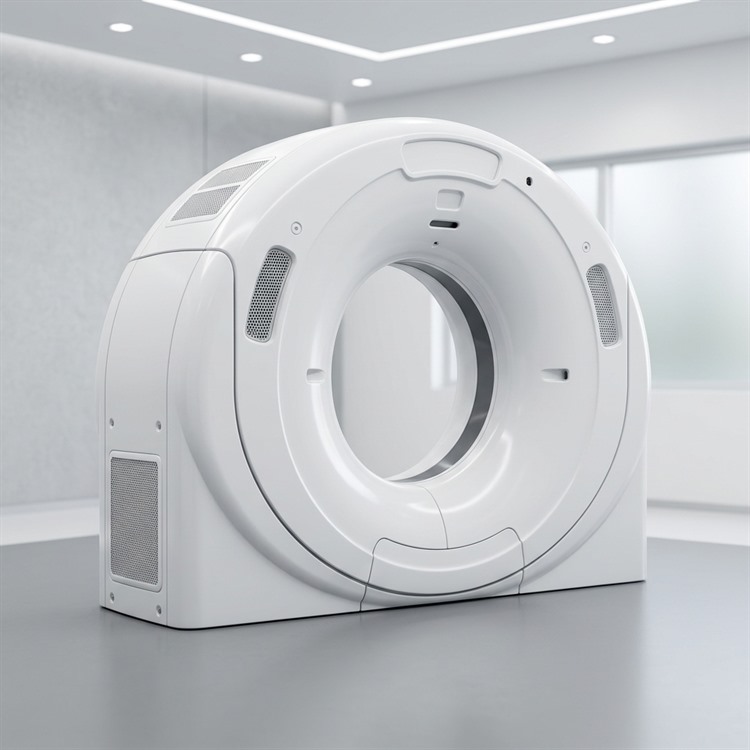
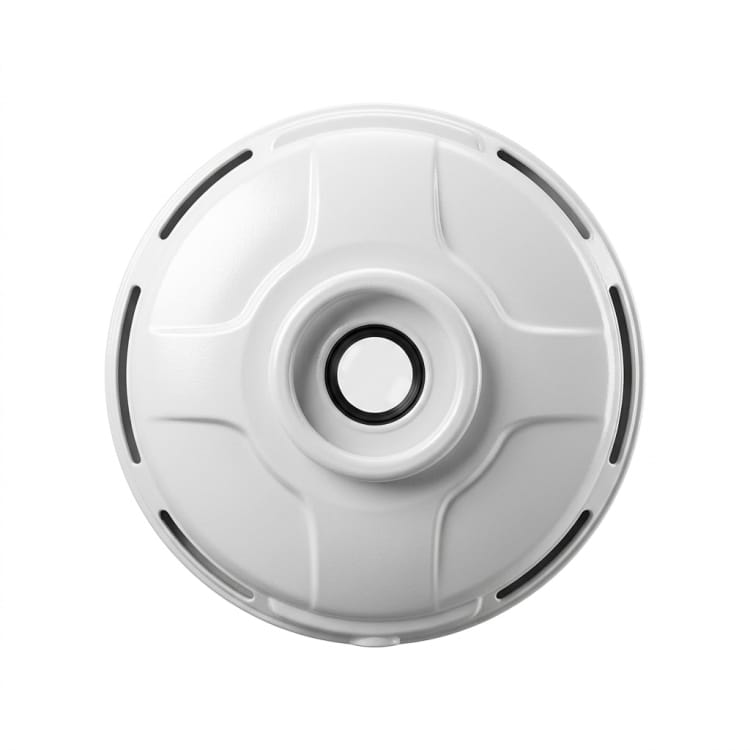
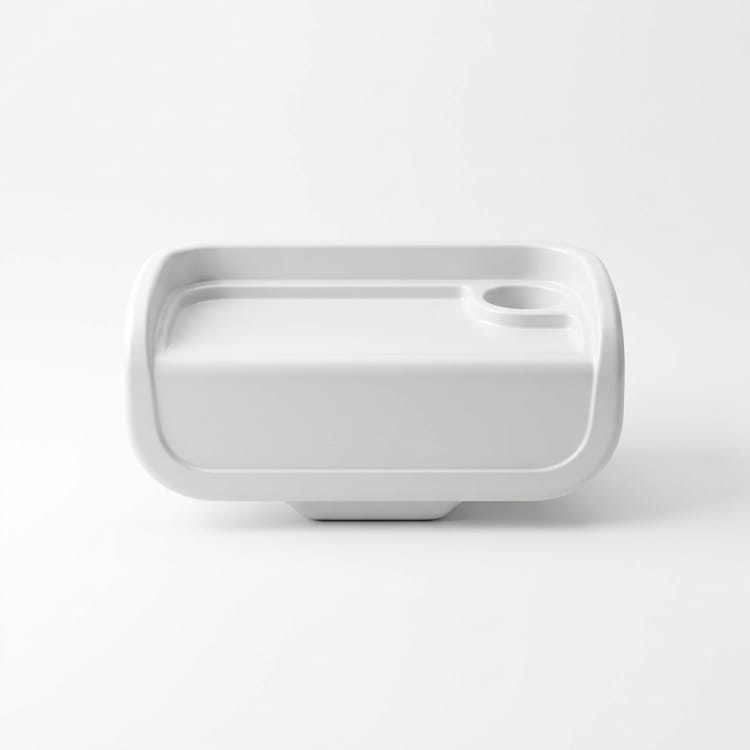
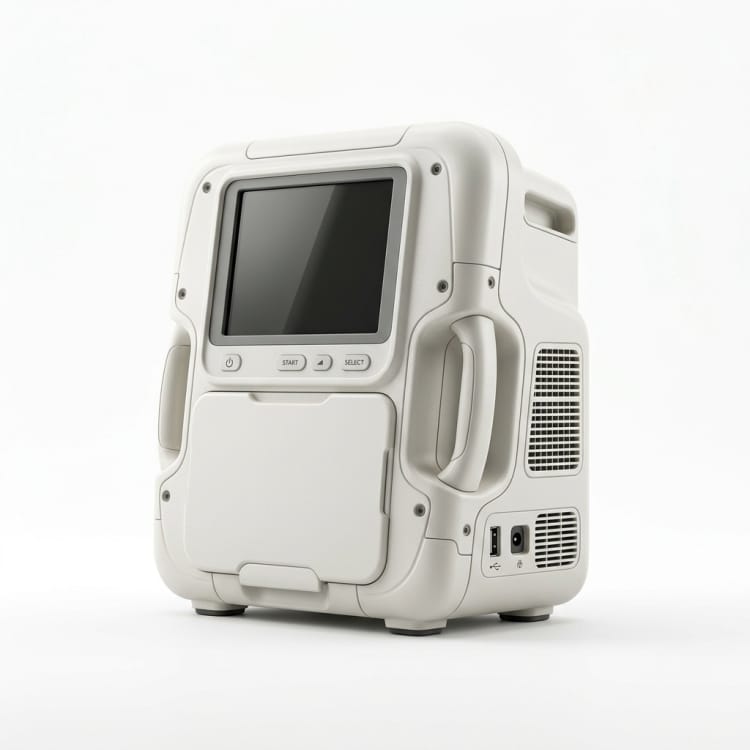
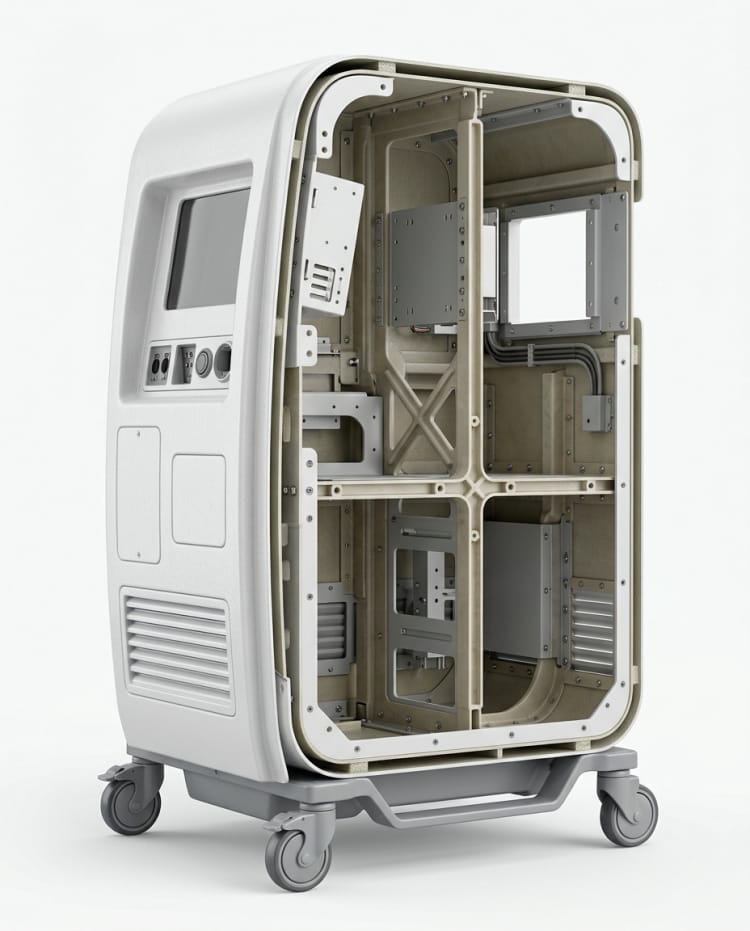
A medical device shell is shaped around the equipment and the people who use it. The OEM defines contact areas, cleaning approach, service access and regulatory requirements.

Medical Equipment Housing

Project Type

Medical Equipment Housing

Core Material

FRP

Lead Time

Confirmed After Design Review

Surface Finish

Painted Finish

How we make it

Project Development Process

Review the device drawing and service zones for the medical equipment housing; define cleaning and service access before fabrication and regulatory brief before final inspection.

Device Shell Review
01

Device Shell Review

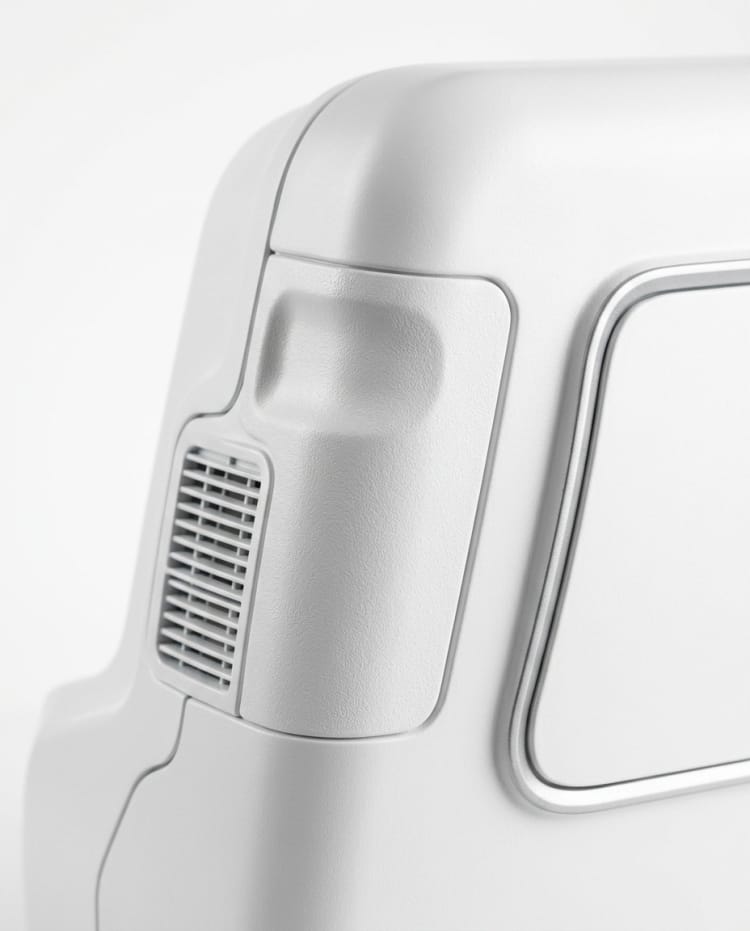
Review the device drawing and service zones. Compare device geometry and patient or operator contact zones with the supplied drawing, sample or site survey before approving the part definition.

  • Record device geometry
  • Confirm patient or operator contact zones
Molded Housing Fabrication
02

Molded Housing Fabrication

Plan the shell, openings and removable interfaces. Set the proposed build and interface details around cleaning and service access; agree any unverified requirement before fabrication.

  • Coordinate cleaning
  • Agree service access
Surface Finish and QC
03

Surface Finish and QC

Check the OEM finish and assembly reference. Verify regulatory brief against the agreed inspection plan and protect the part for its delivery route.

  • Review requirement for regulatory brief
  • Confirm packing and delivery handling

Scope at a glance

Applications + Custom Options

Applications

Built for medical equipment shell projects

For a made-to-drawing medical device enclosure, confirm device geometry and patient or operator contact zones against the buyer drawings. The device OEM specifies maintenance access and cleaning requirements.

  • Application: a made-to-drawing medical device enclosure.
  • Fit inputs: device geometry and patient or operator contact zones, checked against the project reference.
  • Interface inputs: cleaning and service access, agreed with the buyer or installer.
  • Site and delivery inputs: regulatory brief, confirmed before the part split is approved.

Custom options

What buyers can specify

Specify device geometry, patient or operator contact zones, cleaning, service access and regulatory brief in the supplied drawings or project specification. These inputs guide shell geometry, service access and finish.

  • Drawing package: device geometry and patient or operator contact zones.
  • Interface details: cleaning and service access, with acceptance criteria.
  • Project conditions: regulatory brief, confirmed with the engineer or installer.
  • Commercial brief: finish reference, quantity and delivery limits.

Browse nearby applications using the same category and manufacturing approach.

Need to know

Common buyer questions

Which drawings are needed for the medical equipment housing?

Send a drawing or sample showing device geometry and patient or operator contact zones, together with the mating equipment or site reference. GFIND can review feasibility against these inputs.

How should cleaning and service access be defined before tooling?

Show cleaning and service access on the approved drawing. The buyer and GFIND should agree the related fit tolerances and inspection method before tooling.

What conditions affect the medical equipment housing quotation?

State regulatory brief, expected quantity and delivery constraints. List any inspection records or tests the buyer requires in the RFQ.